 Math Geeks
This article explores the potential of multiple-solution tasks (MSTs) as a transformative tool
in South African mathematics education. MSTs are problems that allow for more than one solution path,
encouraging learners to think creatively, critically, and reflectively. While widely recognized
internationally for fostering 21st-century skills such as problem-solving and innovation, MSTs remain
underutilized in South Africa. Against the backdrop of consistently low mathematics performance, the
article argues that incorporating MSTs into classrooms and teacher training could enhance mathematical
reasoning, nurture talent, and better prepare learners for global competitiveness.
Read The Full Article
Math Geeks Blog
The State of South African Mathematics Education

Abstract
We live in the challenging times of the 21st-century with the increased need for humans to
possess specific skills that will help them to be successful in this era. This means that education
should in learners, develop these skills effectively. Different global countries have begun to
recognize the significance of multiple solutions tasks in the teaching and learning of mathematics
in the 21st-century. However, this practice is not visible in South Africa. Hence, the current study
explores and synthetize the sparsely available literature on MSTs to answer the question: What is
the significance of multiple-solution tasks (MSTs) in mathematics education and why is it relevant
for South African mathematics education to make the exercise of producing multiple solutions
accessible to learners?
The literature that is being synthetized here is viewed through the optic
lens of the social constructivism theory as proposed by Vygotsky and explicated in Jean Lave and
Etienne Wenger`s Situated learning: Legitimate peripheral participation. In the conclusion I engage
in an argumentation that illuminates the significance of MSTs in mathematics education and
provide reasons why it would be beneficial for the South African mathematics curriculum to
incorporate MSTs.

Summary
Context and Challenges
- South Africa consistently performs poorly in international mathematics assessments (TIMSS, SACMEQ).
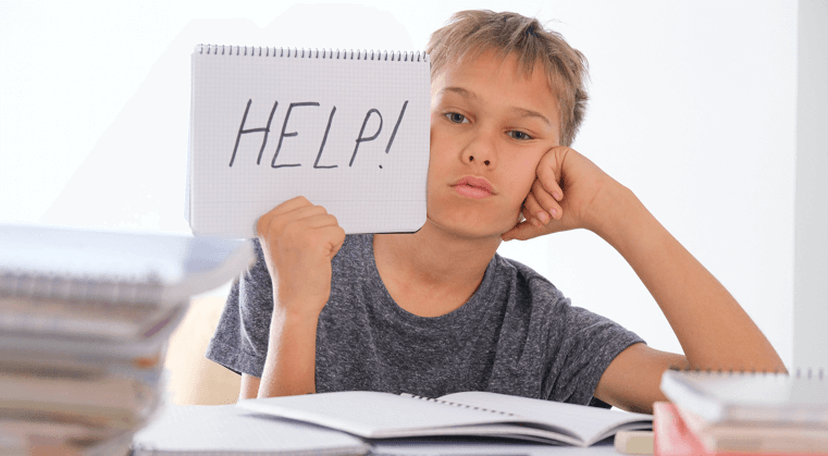
- Teaching often emphasizes rote learning and exam preparation over problem-solving and reasoning.
- Many teachers undervalue or struggle to assess multiple solutions, limiting learners’ opportunities to explore mathematical ideas deeply.
Benefits of MSTs
- Foster creativity, problem-solving, and innovation—critical 21st-century skills.
- Encourage learners to reflect, explore alternatives, and develop flexible thinking.
- Enhance geometrical reasoning, where multiple proofs naturally arise.
- Help identify and nurture mathematically gifted learners.
- Strengthen teachers’ own problem-solving capacity and pedagogical knowledge.
Conclusion
Incorporating multiple-solution tasks (MSTs) into South African mathematics education could address many current challenges by fostering critical 21st-century skills such as creativity, problem-solving, and flexible thinking. MSTs encourage deeper engagement with mathematical concepts, moving beyond rote learning to meaningful exploration. They also provide opportunities to identify and nurture mathematically gifted learners while enhancing teachers' pedagogical skills. To realize these benefits, it is essential to integrate MSTs into teacher training programs, curriculum design, and classroom practice. Further empirical research is needed to understand the impact of MSTs in South African classrooms fully. By embracing MSTs, South Africa can transform its mathematics education landscape, better preparing learners for global competitiveness and shifting away from rote learning towards a more dynamic and engaging approach.
Recommendations
- Teacher training should include designing and facilitating MSTs.
- Curriculum designers should allow space for MSTs within CAPS.
- Researchers should conduct empirical studies on MSTs in South African classrooms.
- MSTs can help shift classrooms from rote learning to meaningful, creative engagement, potentially improving learners’ mathematical performance and preparing them for global competition.
The State of South African Mathematics Education
This article explores the potential of multiple-solution tasks (MSTs) as a transformative tool
in South African mathematics education. MSTs are problems that allow for more than one solution path,
encouraging learners to think creatively, critically, and reflectively. While widely recognized
internationally for fostering 21st-century skills such as problem-solving and innovation, MSTs remain
underutilized in South Africa. Against the backdrop of consistently low mathematics performance, the
article argues that incorporating MSTs into classrooms and teacher training could enhance mathematical
reasoning, nurture talent, and better prepare learners for global competitiveness.
Read The Full Article
Abstract
We live in the challenging times of the 21st-century with the increased need for humans to
possess specific skills that will help them to be successful in this era. This means that education
should in learners, develop these skills effectively. Different global countries have begun to
recognize the significance of multiple solutions tasks in the teaching and learning of mathematics
in the 21st-century. However, this practice is not visible in South Africa. Hence, the current study
explores and synthetize the sparsely available literature on MSTs to answer the question: What is
the significance of multiple-solution tasks (MSTs) in mathematics education and why is it relevant
for South African mathematics education to make the exercise of producing multiple solutions
accessible to learners?
The literature that is being synthetized here is viewed through the optic
lens of the social constructivism theory as proposed by Vygotsky and explicated in Jean Lave and
Etienne Wenger`s Situated learning: Legitimate peripheral participation. In the conclusion I engage
in an argumentation that illuminates the significance of MSTs in mathematics education and
provide reasons why it would be beneficial for the South African mathematics curriculum to
incorporate MSTs.
Summary
Context and Challenges
- South Africa consistently performs poorly in international mathematics assessments (TIMSS, SACMEQ).
- Teaching often emphasizes rote learning and exam preparation over problem-solving and reasoning.
- Many teachers undervalue or struggle to assess multiple solutions, limiting learners’ opportunities to explore mathematical ideas deeply.
Benefits of MSTs
- Foster creativity, problem-solving, and innovation—critical 21st-century skills.
- Encourage learners to reflect, explore alternatives, and develop flexible thinking.
- Enhance geometrical reasoning, where multiple proofs naturally arise.
- Help identify and nurture mathematically gifted learners.
- Strengthen teachers’ own problem-solving capacity and pedagogical knowledge.
Conclusion
Incorporating multiple-solution tasks (MSTs) into South African mathematics education could address many current challenges by fostering critical 21st-century skills such as creativity, problem-solving, and flexible thinking. MSTs encourage deeper engagement with mathematical concepts, moving beyond rote learning to meaningful exploration. They also provide opportunities to identify and nurture mathematically gifted learners while enhancing teachers' pedagogical skills. To realize these benefits, it is essential to integrate MSTs into teacher training programs, curriculum design, and classroom practice. Further empirical research is needed to understand the impact of MSTs in South African classrooms fully. By embracing MSTs, South Africa can transform its mathematics education landscape, better preparing learners for global competitiveness and shifting away from rote learning towards a more dynamic and engaging approach.
Recommendations
- Teacher training should include designing and facilitating MSTs.
- Curriculum designers should allow space for MSTs within CAPS.
- Researchers should conduct empirical studies on MSTs in South African classrooms.
- MSTs can help shift classrooms from rote learning to meaningful, creative engagement, potentially improving learners’ mathematical performance and preparing them for global competition.